

Moving home can be one of the most stressful things we do in our lifetime. There is so much to organise, from sorting bills and liaising with solicitors to packing up your belongings and coordinating moving day. Add a screaming toddler or a frustrated teenager into the mix and it can quickly feel overwhelming. If you are moving during a particularly busy time of year, planning ahead and understanding how each season can affect moving day can help reduce pressure.
Research suggests that around two in three adults rank moving home as one of the most stressful life events, alongside starting a new job or going through a divorce. That stress is often felt even more strongly by children, who may not fully understand what is happening or why. With that in mind, we have put together this step-by-step guide to help you move home successfully while supporting your children throughout the process.

What You Need to Consider
For many children, your current house may be the only home they have ever known. This applies just as much to teenagers as it does to younger children. They are familiar with the area, settled at school, and have established friendships. Even a move within the same town can feel unsettling when everything they associate with comfort and security is about to change.
Every child reacts differently, and much depends on their age. Moving with a baby or toddler presents very different challenges compared to moving with a teenager. Younger children often need constant reassurance and familiar routines, while older children may worry about friendships, schools, and independence. Recognising this early allows you to plan more thoughtfully and support them properly throughout the move.

Get Your Children Involved
One of the main reasons children become distressed during a house move is feeling left out or having no control over what is happening. Involving them in the process can help ease anxiety and make the experience more positive.
Where appropriate, allow your children to help with packing their own belongings. While the boxes may not be packed perfectly, the sense of responsibility and achievement can be very reassuring. Letting them make small decisions, such as choosing what to pack first or how their new room might look, can go a long way in helping them feel heard and involved.
Teenagers, in particular, can be a real help with practical tasks and often appreciate being trusted with responsibility.
Consider Childcare on Moving Day
Moving day itself can be emotional for children. Watching their home being packed into a van may feel upsetting, and children are quick to pick up on adult stress. If possible, consider arranging childcare for the day, whether that is with grandparents, trusted family members, or regular childminders.
If childcare is not an option, taking your children out for part of the day can help. A trip to the park, a favourite café, or a small treat before arriving at the new house can help them associate the move with something positive.
Time Your Move Carefully
If you have flexibility, moving home outside of school term time can significantly reduce disruption. This gives children time to settle into their new surroundings, explore the area, and adjust before starting at a new school. Trying to manage a house move and a school transition at the same time can feel overwhelming, so spacing these changes can make a big difference.
Pack Comfort Items and Food
When travelling to your new home, make sure your children have easy access to familiar items such as favourite toys, teddies, books, or night lights. These comforts can help them feel safe in an unfamiliar environment.
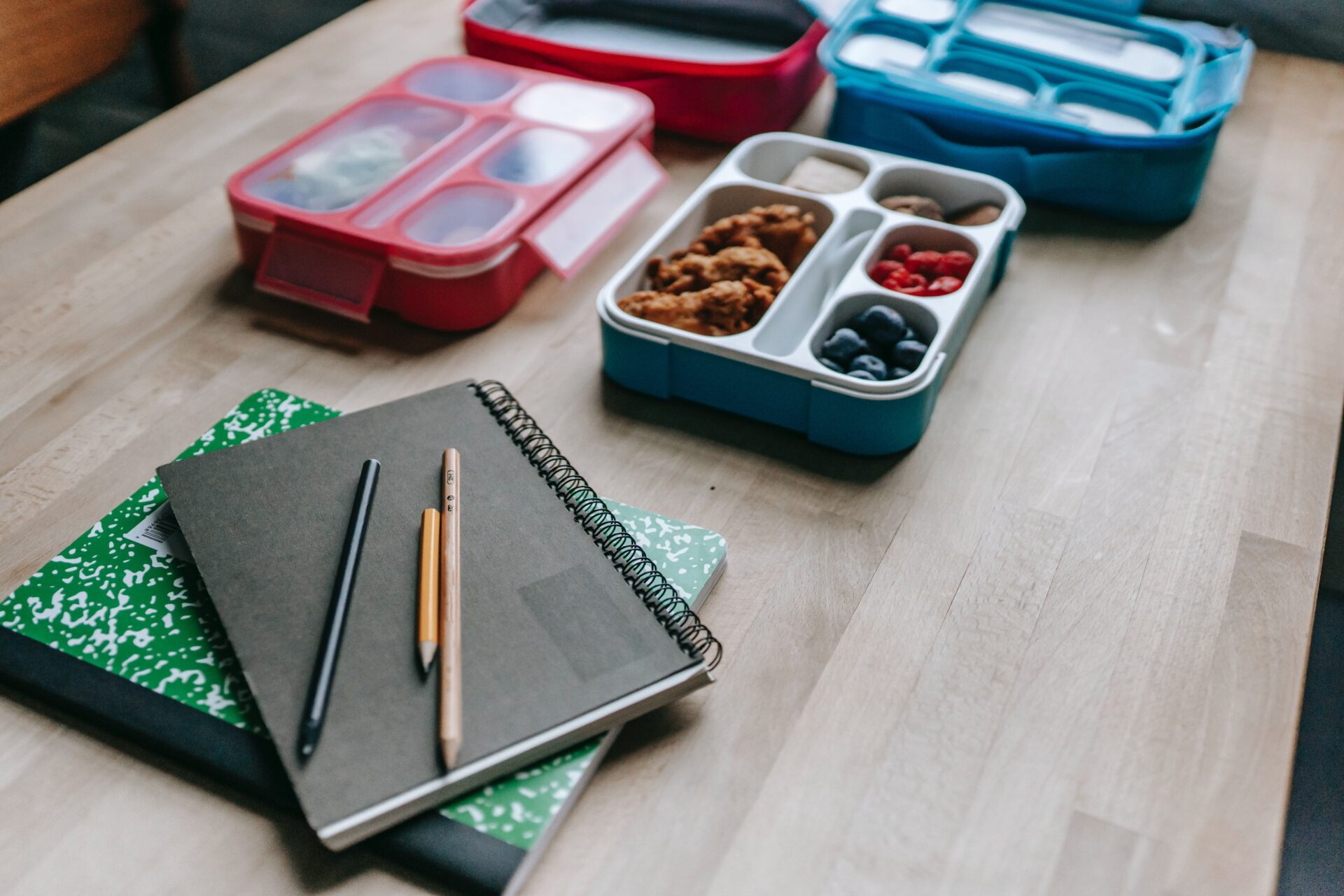
It is also important to plan food in advance. Packed lunches, snacks, and an easy dinner option for arrival day can help avoid unnecessary stress. Hungry children are far more likely to become upset, especially during long or tiring days.

Unpack Your Child’s Room First
Once you arrive, prioritising your child’s belongings can help them settle more quickly. Setting up their bedroom first gives them a familiar space to relax and play while you unpack the rest of the house.
Keeping certain items the same, such as curtains, bedding, or furniture, can also help create a sense of familiarity. Familiar sights and smells can be very comforting during times of change and help children adapt more easily to their new surroundings.
Ask for Help
Balancing a house move with parenting responsibilities can be exhausting. Asking for help is not a weakness. Friends and family may be able to assist with packing, childcare, or practical tasks, helping to relieve some of the pressure.
Hiring a professional removals company can also make a significant difference. By leaving the heavy lifting and logistics to experienced movers, you can focus on supporting your children and keeping the move as calm as possible. At Coastline Removals, we take pride in handling every move with care and efficiency, allowing families to concentrate on what matters most. We offer household removals, as well as overseas and commercial services, to support you every step of the way. We have plenty of other articles with moving tips, helping you move house smoothly, whatever the situation.